International experience in the mountains of Armenia: an engineer explains where the ‘red line’ of quality lies when building in an earthquake zone
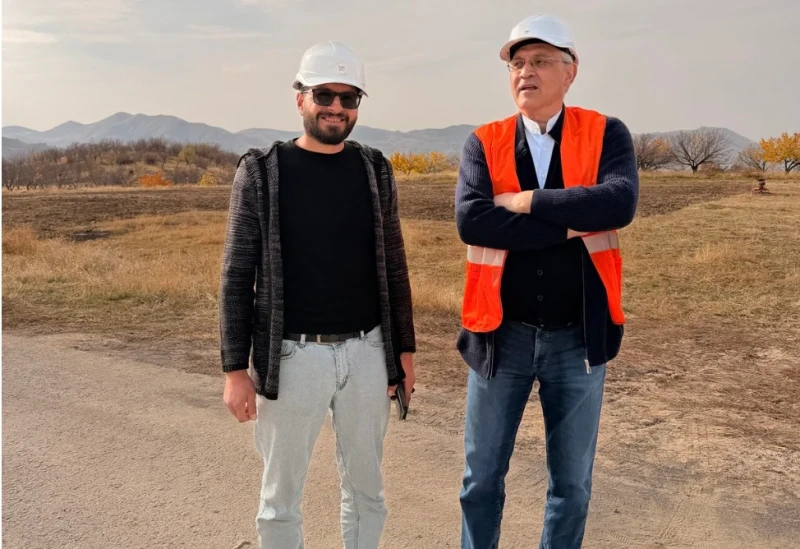
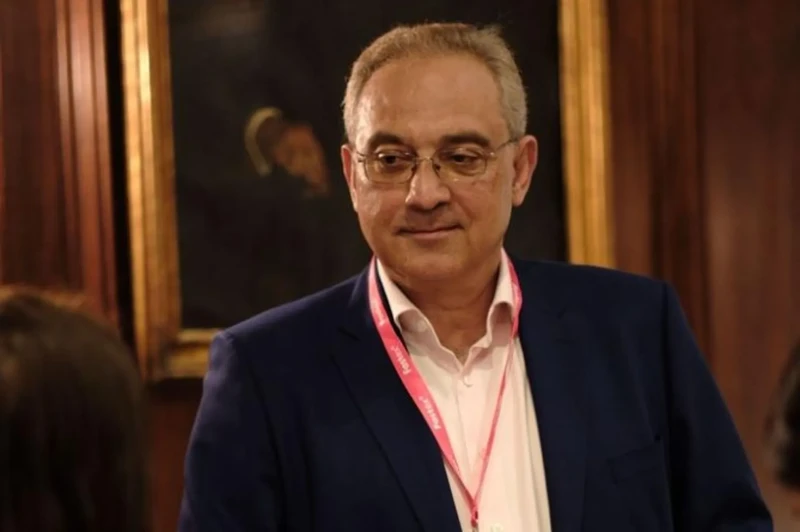
In an interview with Novosti-Armenia, Simak Karapetyan, chief engineer at Goght Urban Valley, spoke about how the country's regulations are being followed in the construction of luxury suburban housing, taking into account international experience.
YEREVAN. 9 March. News-Armenia. In Armenia, where natural beauty is combined with high seismic vulnerability, the quality of construction is of particular importance. In an interview with News-Armenia, Simak Karapetyan, chief engineer at Goght Urban Valley, spoke about how the country's regulations are complied with when building luxury suburban housing, taking into account foreign experience, and how personal engineering responsibility is determined.
Novosti-Armenia: What building codes and standards do you rely on? Do you limit yourself to mandatory local requirements, or do you also use best international practices? To what extent does the project take into account Armenia's seismic hazard?
S. Karapetyan - We work in accordance with the building codes in force in Armenia. At the same time, we also take into account foreign regulatory approaches if they help to improve the quality of solutions. Of course, our designers always take into account the seismic characteristics of the region, which makes the requirements even more stringent.
Novosti-Armenia: How do you verify that the contractor not only prepares reports correctly, but also actually complies with the technology on site, rather than ‘falsifying’ the figures?
S. Karapetyan: The engineering team constantly monitors the progress of work on site.
Novosti-Armenia: Have there been situations where the deadlines or wishes of buyers have conflicted with engineering solutions? How are priorities set in such cases?
S. Karapetyan: Of course, there are difficult projects. Customers often want to implement individual architectural solutions, and this requires additional coordination. Our task is to find a solution that meets the project, safety requirements and deadlines. If there are any deviations, we try to identify them as quickly as possible. Even in adverse weather conditions, we strive to avoid critical delays.
Novosti-Armenia: How does the system for recording and reporting safety violations work?
S. Karapetyan: Every violation is recorded. We strive not only to eliminate the consequences, but also to prevent the problems themselves. If intervention is required, we choose a solution that preserves the reliability of the structure and ensures a long-lasting result.
Novosti-Armenia: Who bears personal responsibility if, a year or two after the facility is commissioned, it turns out that critical engineering compromises were made during the construction phase?
S. Karapetyan: Of course, our company, in accordance with the Civil Code. And that includes me.
News-Armenia: What is your ‘red line’? After what violation would you be prepared to stop work, even if it affects the schedule and budget?
S. Karapetyan: Violation of quality standards.
Novosti-Armenia: How is the incoming inspection of materials organised in the project? What prevents cheaper or uncertified analogues from entering the site?
S. Karapetyan - We analyse the building materials market and control the selection and procurement process. The use of uncertified materials is excluded. At the same time, we try to find the most cost-effective solutions without compromising on quality.
Novosti-Armenia: How do you monitor hidden work—those stages that cannot be checked later without opening up the structures?
S. Karapetyan: We monitor the entire process step by step, so such work does not go unchecked. The necessary reports and documents are drawn up for each stage.
Novosti-Armenia: In an earthquake-prone region, any simplification can be costly. Where do you see the main risk—in design calculations, execution, or control?
S. Karapetyan - The most vulnerable link is control. It largely determines how well the project will be implemented in practice.
Novosti-Armenia: What can you say about fire safety? Are all the necessary requirements being met?
S. Karapetyan: We use fire-resistant materials almost exclusively. If materials with other characteristics are used, they are additionally protected by structural solutions to minimise the risk of fire.
Novosti-Armenia: What is the main problem you face at the construction site and in the construction sector in Armenia in general?
S. Karapetyan - The main problem is the lack of qualified specialists who understand the entire process and know how to apply their knowledge in practice. The industry is gradually becoming more systematic, and I hope that in the coming years, the staffing issue will be resolved more effectively.
Novosti-Armenia: As someone who is involved in the construction process from the ground up and knows everything about its quality, would you yourself like to own property in Gokhta?
S. Karapetyan: Definitely, yes. I have already found a plot of land that I like.
Other news
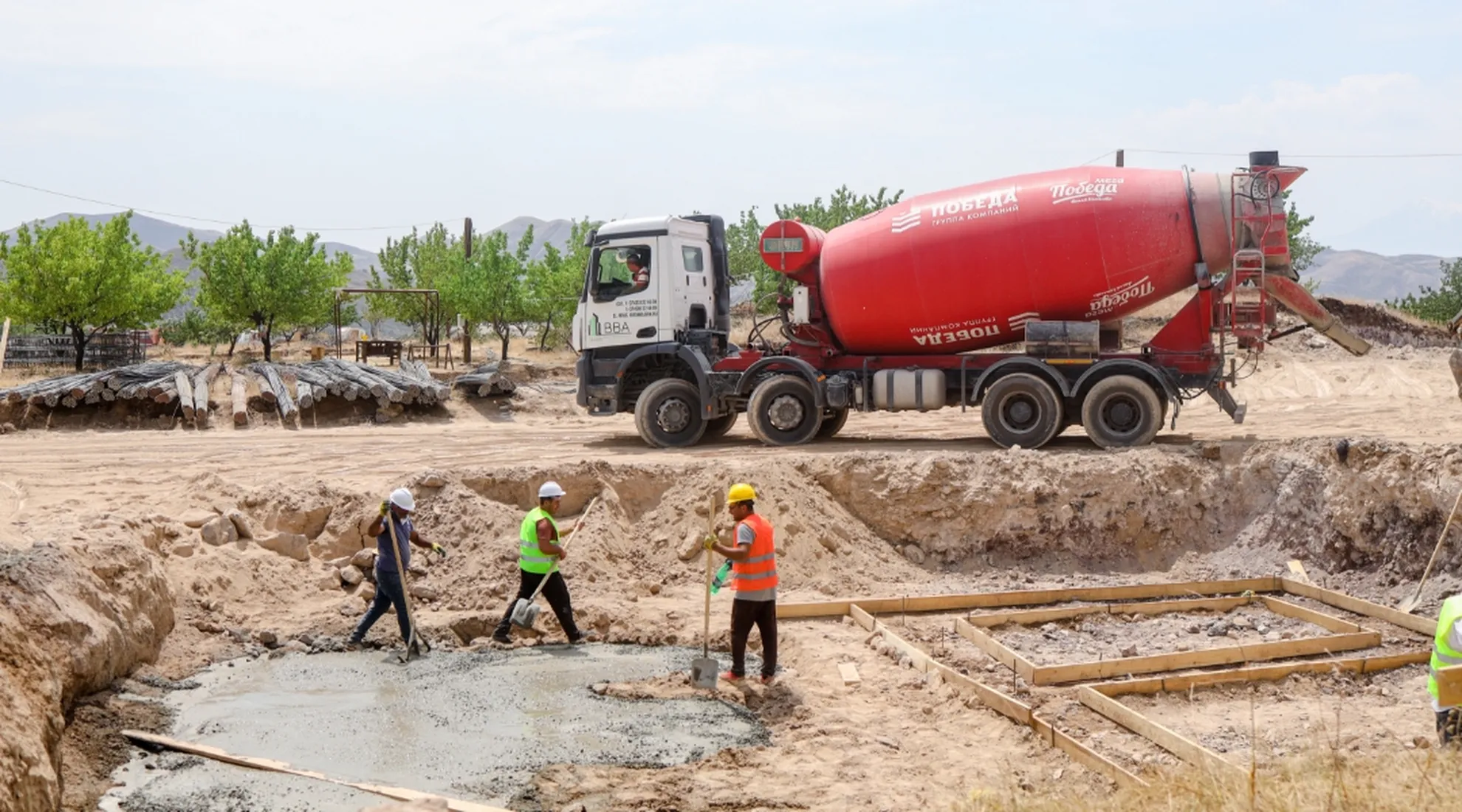
Construction work has started
See more
05.10.2023
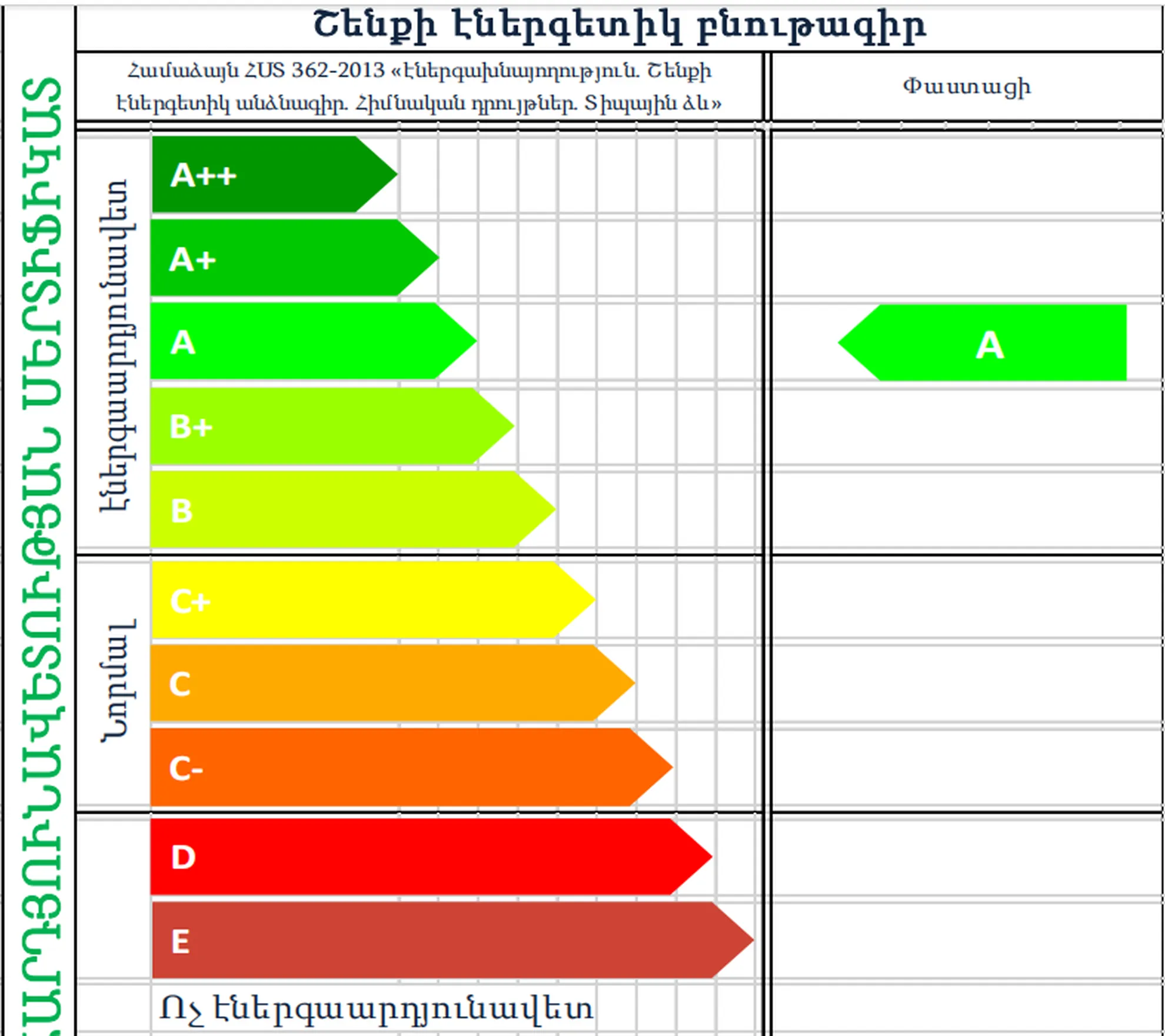
Made with soul:- cottages in Goght Urban Valley are distinguished by high energy efficiency and environmental friendly.
See more
12.03.2024
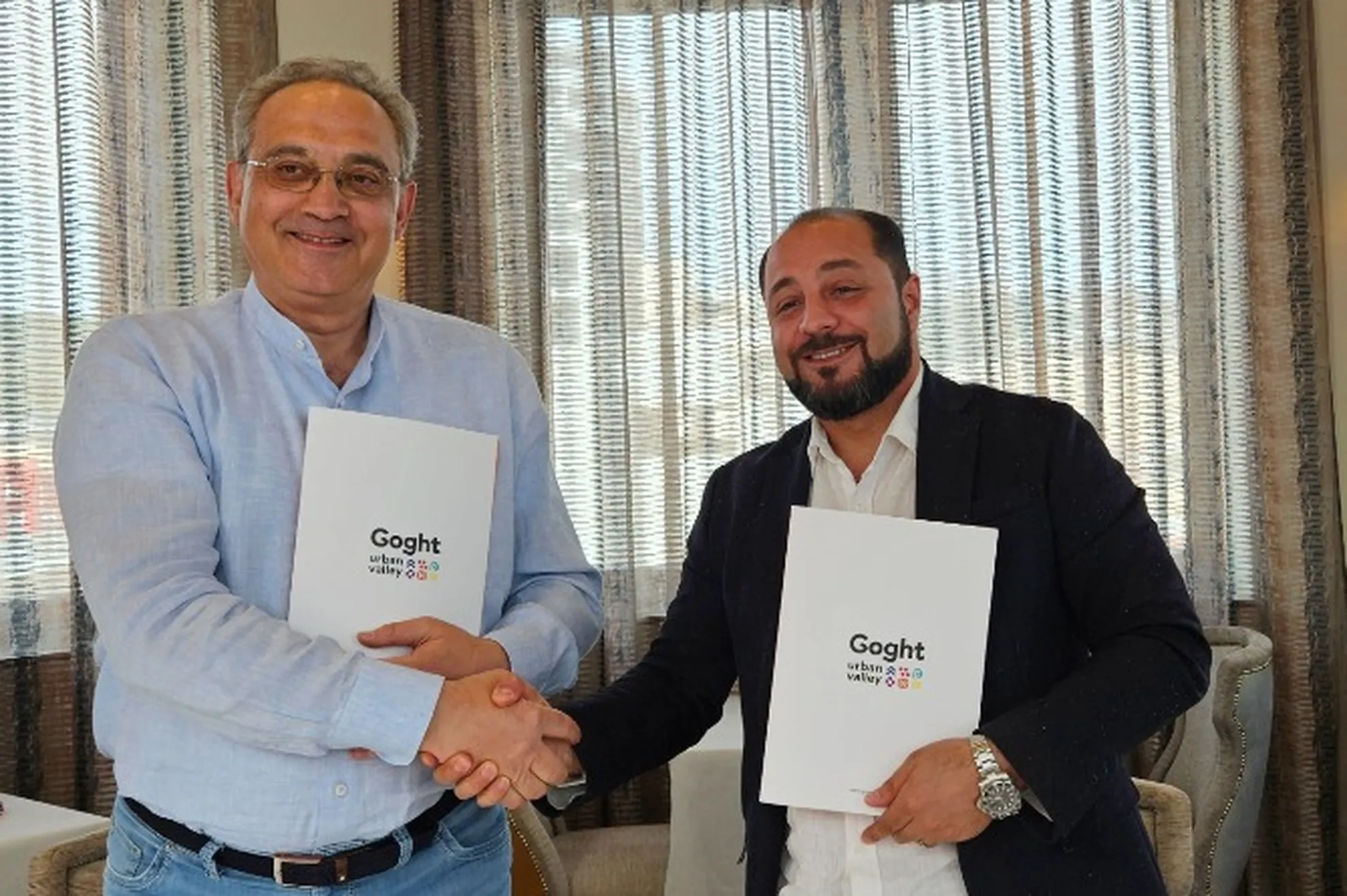
International educational campus overlooking Mount Ararat in Armenia: Goght Urban Valley and Koreez.am unveil a grand project
See more
01.05.2024
Everything you need to know about the essence of lifestyle at Goght Urban Valley.
See more
09.04.2024
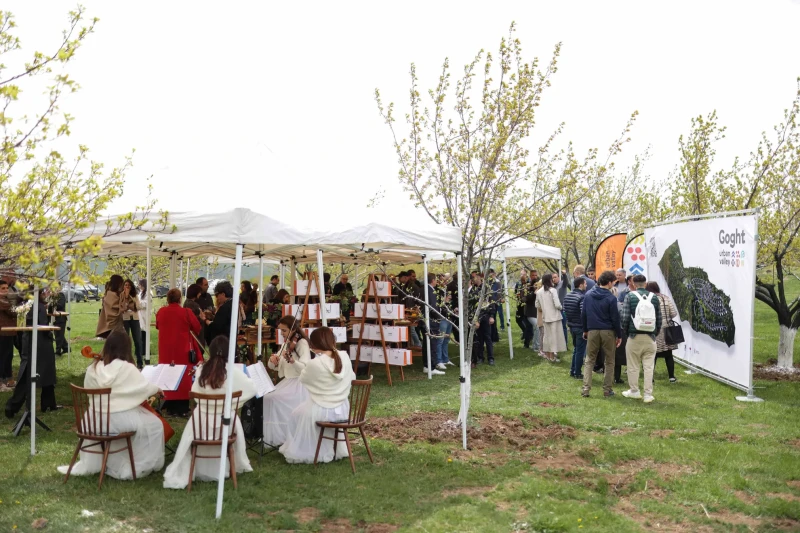
Project Goght Urban Valley has officially started
See more
29.04.2023
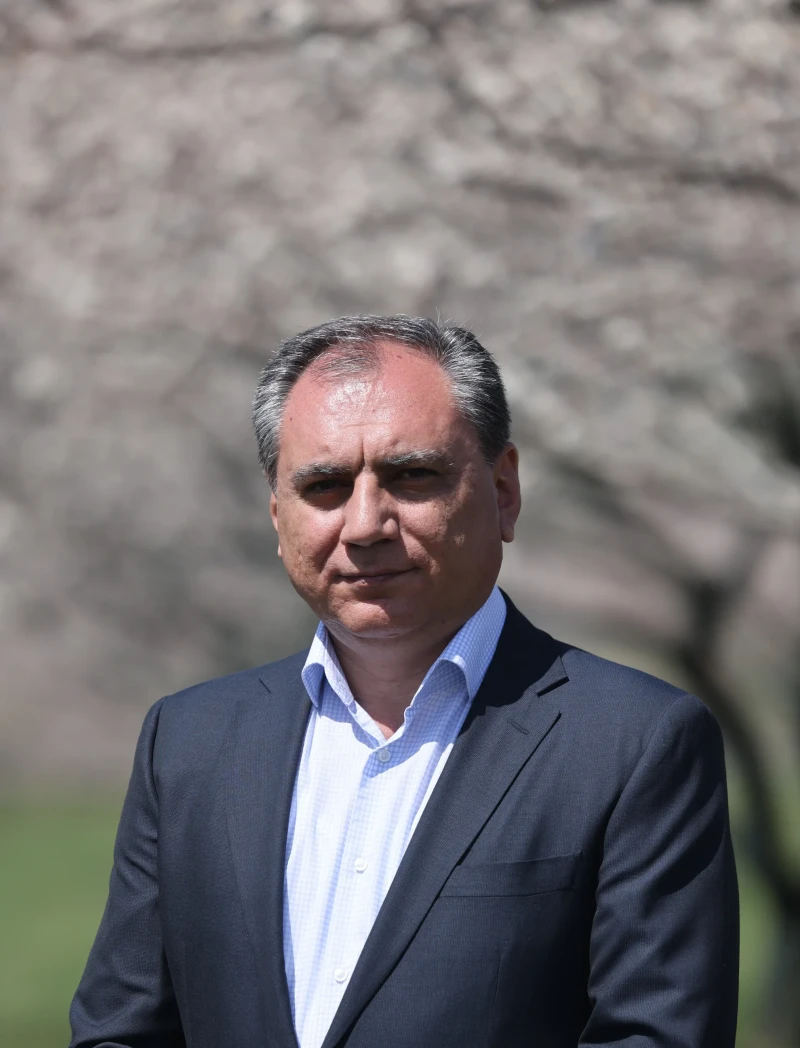
Founder and investor Hrayr Melkonyan answers questions about Goght Urban Valley
See more
01.03.2024

Goght Urban Valley joined Toon Expo 2023
See more
06.09.2023
How to turn a unique corner of wild nature in Armenia into an ultra-modern Goght Urban Valley
See more
09.09.2024