Yerevan is suffocating: how ‘new wave gardens’ will become a cure for smog and stress for the residents of Armenia
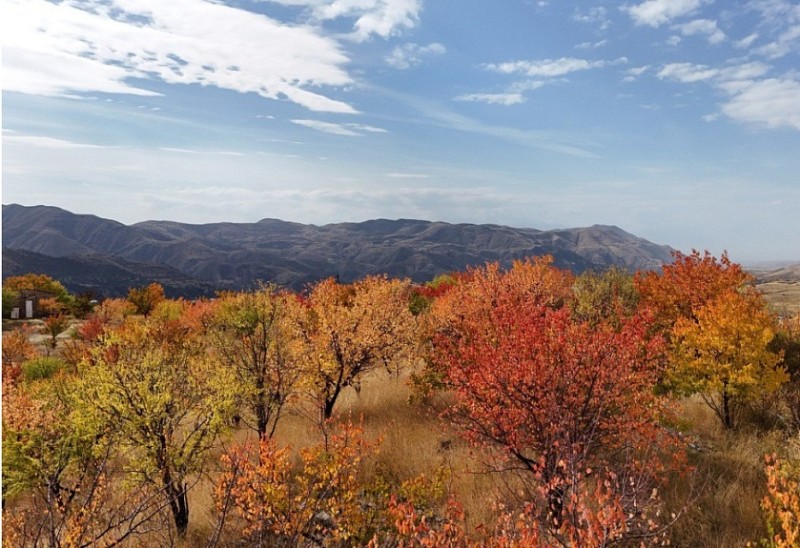
The usual flower beds and alleys are being replaced by a new trend — ‘new wave gardens,’ which could become the real ‘lungs’ of Yerevan.
YEREVAN, 4 February. News-Armenia. Air pollution is a more acute problem than ever in Yerevan, and the stress (concern) of the city's residents is growing. But there is good news: the usual flower beds and alleys are being replaced by a new trend — ‘new wave gardens’. In an exclusive interview with News-Armenia, ecologist and agronomist Zoya Dutova explained how such gardens can become the city's ‘lungs’ and at the same time improve the psychological and physical health of the residents of the Armenian capital.
When ecologist and agronomist Zoya Dutova received her first order for a ‘new wave’ garden in Yerevan, she faced an unexpected problem: there was simply nowhere to buy the necessary plants. Nurseries still sell the classic assortment: thuja, roses, and lawn grass. But the new trend requires completely different types of plants: steppe grasses, wild sage, wormwood, and local shrubs.
‘I judge the popularity of the concept by the assortment of nurseries,’ Dutova explains. ‘If there is demand, certain plants appear there. So far, I haven't seen such gardens in their pure form in Yerevan — the concept is too new for Armenia.’
The paradox is that Yerevan needs such gardens like air — literally. While environmentalists are sounding the alarm about the mass felling of elms and plane trees, the city continues to green its streets with decorative trees such as cherry blossoms, which are unsuitable for the city's hot and arid climate.
There are many reasons for the high level of air pollution in Yerevan. One of them is the policy on urban greening. Like most large cities, Yerevan is actively growing, developing and being built up. The Soviet sanitary standards and regulations that were once in force are no longer valid. And the greening standards proposed by the WHO (50 square metres of green space per inhabitant) are not enshrined in law.
What does a “new wave” garden look like?
Imagine: instead of neatly trimmed thuja trees, there are thickets of wild sage and lavender. Juniper spreads between the stones, and above it is a spreading Judas tree with several trunks, providing dense shade. Nearby are grasses that sway in the wind and change colour from season to season. There are minimal evergreen hedges and lawns that require daily watering.
‘This is an imitation of nature,’ explains Dutova. ‘Several tiers of plantings that replace each other change with age. These are not static ornamental plants, but a living ecosystem that blooms, attracts bees and butterflies, and supports biodiversity.’
The main advantage is that local plants have evolved over thousands of years in the Armenian climate. They are adapted to water shortages, abundant sunshine and ultraviolet radiation. This means they do not require chemical fertilisers, regular feeding or an army of gardeners.
‘Nowadays, landscape designers are less likely to lay out gardens simply because it occurred to the client,’ notes the ecologist. "Everyone is a bit of an environmentalist now, and I'm very happy about that. There is an understanding that a plant is a living organism that needs certain conditions. It is better to use local species that pollinating insects and the rest of the natural ecosystem depend on.
Can the gardens of the ‘new wave’ save Yerevan?
For a city's ecosystem to function properly, it must have ‘green corridors’ — continuous strips of wilderness that insects, birds and small animals can use to move around. However, if you want to do something that is both aesthetically pleasing and beneficial to nature, then ‘new wave’ gardens are the way to go.
‘Each of these gardens is a unique and independent ecosystem,’ Dutova emphasises. ‘I think they will really help Yerevan breathe a little easier.’
The problem is particularly acute on the slopes of the city, in the Monument (Victory Park and the surrounding area) and Nork districts, where forests used to grow. They were mercilessly cut down, depriving Yerevan of its “lungs”. But simply replanting trees in these areas will not work.
When the forest disappears, erosion processes begin, especially on slopes where the soil is thin,’ explains the ecologist. "The tree simply does not have enough nutrients or soil strength to take root and grow there. To understand whether the forest will take root, scientists are building complex computer models. A whole range of measures is needed.
According to the expert, Yerevan needs not only gardens, but also ‘new wave’ forests — the restoration of natural ecosystems, taking into account the specifics of each particular location.
Why city dwellers feel physically unwell without greenery
Dutova refers to the concept of biophilia — the innate human attraction to nature.
"We evolved in sparse forests with open views: solitary trees, meadow grasses, steppes. Now we are confined to concrete boxes and see virtually no nature. This is not normal for the body.
Studies confirm that a lack of green spaces increases the risk of cardiovascular disease, raises stress and anxiety levels, and even affects digestion. As early as the 19th century, the concept of ‘therapeutic gardening’ emerged — doctors sent patients to work in gardens, and people's well-being improved noticeably.
- Scientists say that the best natural system for human visual and psychological comfort is the forest-steppe, adds the ecologist. "That is why “new wave gardens” are so comfortable: they mimic the natural environment in which our species evolved. There are a number of studies that prove that human well-being improves significantly when people work, relax, live in greener spaces and engage in nature-related activities.
What experience is useful for Armenia
‘I think Armenia should look at the experience of the Mediterranean, because the climate is changing,’ Dutova argues. ‘Winters are getting warmer in Yerevan, even though this winter was quite extreme. And perhaps we should also look at the experience of our North American colleagues, where many states are also experiencing drought. It's a very interesting game — putting together an ecosystem from different pieces of the puzzle, but without going beyond the existing conditions.’
Case study: how it works at Goht
One of the first large-scale examples of ‘new wave’ gardens in Armenia is the Goght Urban Valley project, located half an hour's drive from Yerevan. Hectares of apricot, apple and almond trees are already growing here. Zoya Dutova works as a consultant on the greening of the village.
‘The first point in the technical assignment was to preserve as many existing plantings as possible,’ she says. ‘I really liked that, and I was happy to join the project because I share the investors' philosophy. I love coming to existing plantings and minimising my impact on the environment. Even during construction, we fence off the trees so that they are not damaged by machinery.’
In addition to preserving the old gardens, plants similar to those growing in the surrounding mountains will be planted here: redwoods, carcas, junipers, and leathery skumpia.
We will use medium and small trees, because large trees would look out of place here. Due to the fact that low trees often consist of several trunks, they will provide quite dense shade. We will plant trees that blend in with the surrounding nature and provide maximum shade. Each resident will have their own garden, which can be designed using the company's service or independently. In the long term, we plan to establish a small experimental plant nursery for ‘new wave’ gardens.
Back to nature
The question remains: how realistic is it to implement such solutions on a large scale in the city itself?
‘The WHO recommends 50 square metres of green space per inhabitant, but in Armenia this standard is not enshrined in law,’ Dutova notes. Soviet sanitary regulations have been repealed, and new ones have not been adopted. Without systemic changes in urban planning, even hundreds of private ‘new wave gardens’ will not solve the problem of air pollution in the capital.
For now, most Yerevan residents have little choice: either put up with the smog and stress of the concrete jungle, or look for opportunities to move closer to nature. Projects such as Goght Urban Valley show that it is possible to live close to the city in an ecological environment without giving up the benefits of civilisation.
Other news
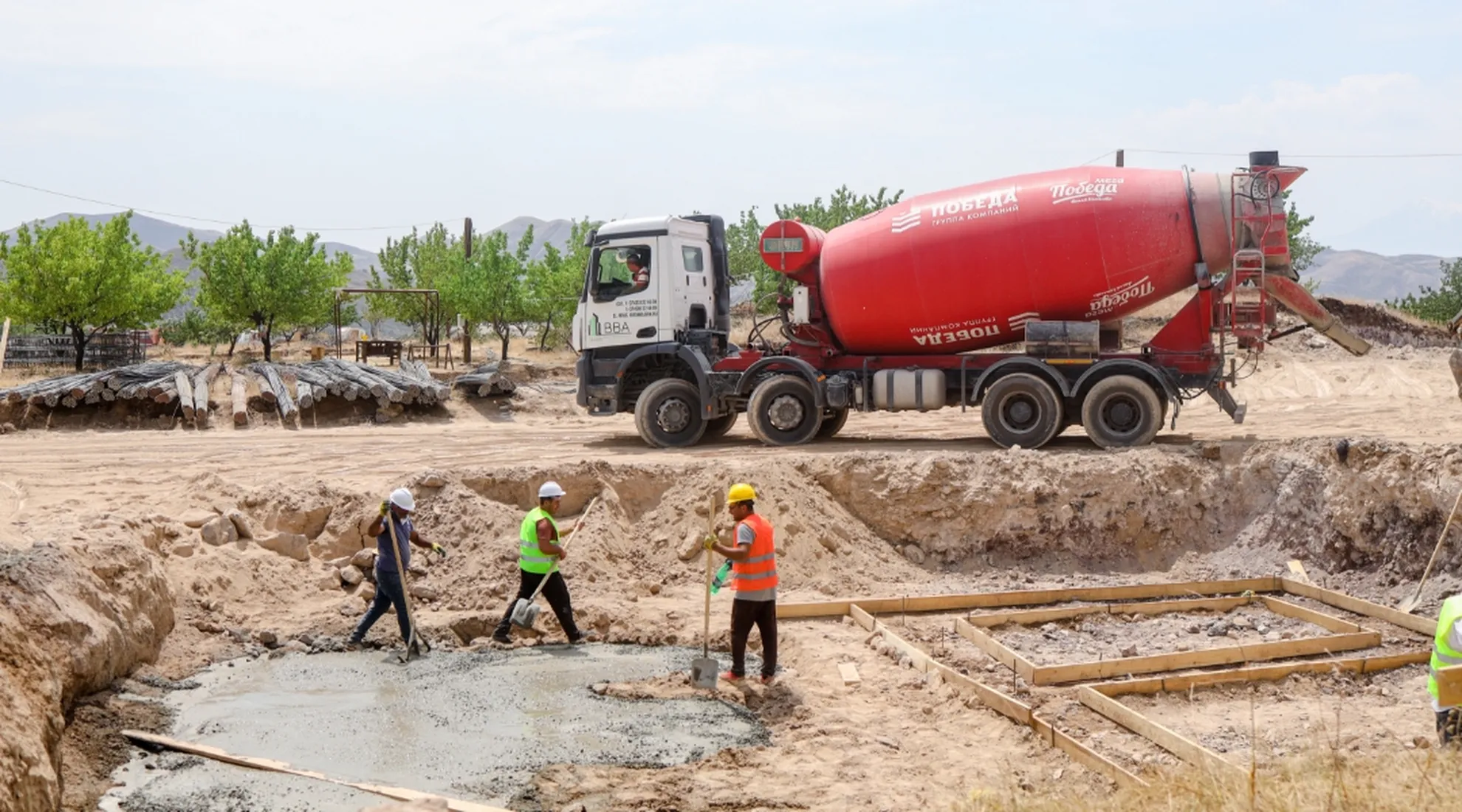
Construction work has started
See more
05.10.2023
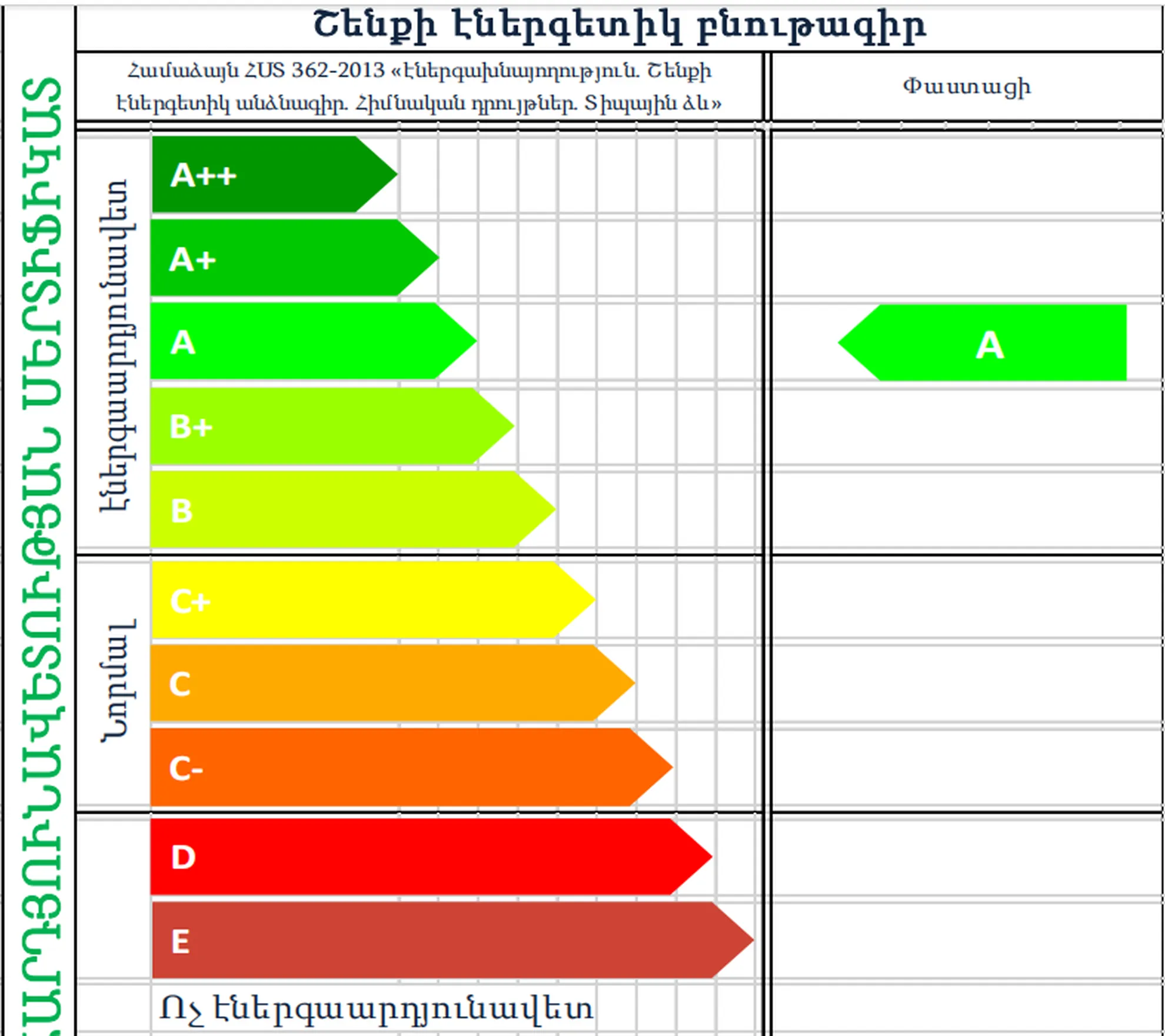
Made with soul:- cottages in Goght Urban Valley are distinguished by high energy efficiency and environmental friendly.
See more
12.03.2024

International educational campus overlooking Mount Ararat in Armenia: Goght Urban Valley and Koreez.am unveil a grand project
See more
01.05.2024
Everything you need to know about the essence of lifestyle at Goght Urban Valley.
See more
09.04.2024
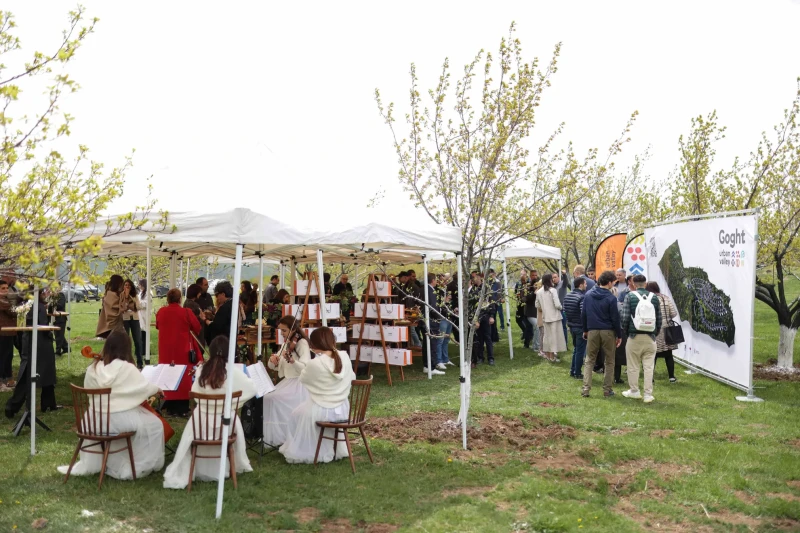
Project Goght Urban Valley has officially started
See more
29.04.2023

Founder and investor Hrayr Melkonyan answers questions about Goght Urban Valley
See more
01.03.2024

Goght Urban Valley joined Toon Expo 2023
See more
06.09.2023
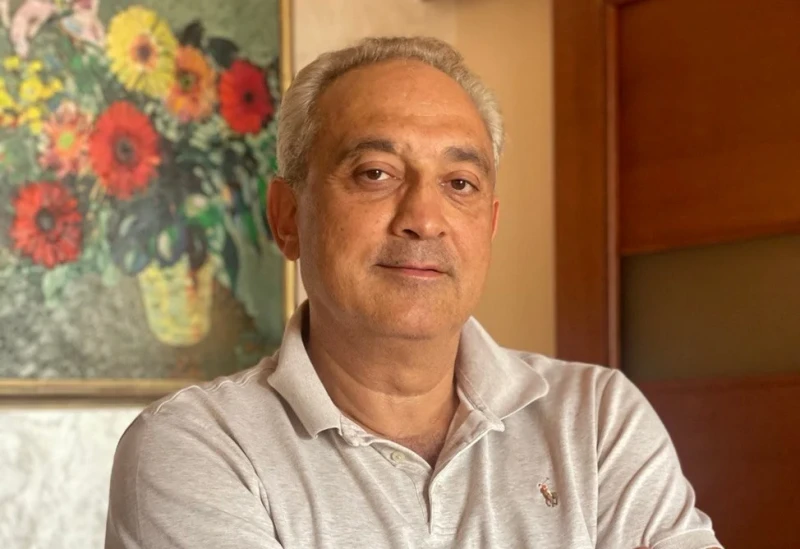
How to turn a unique corner of wild nature in Armenia into an ultra-modern Goght Urban Valley
See more
09.09.2024