‘Minus 30 years of stress’: how Armenia is creating a village of the future with clean air and growing investment
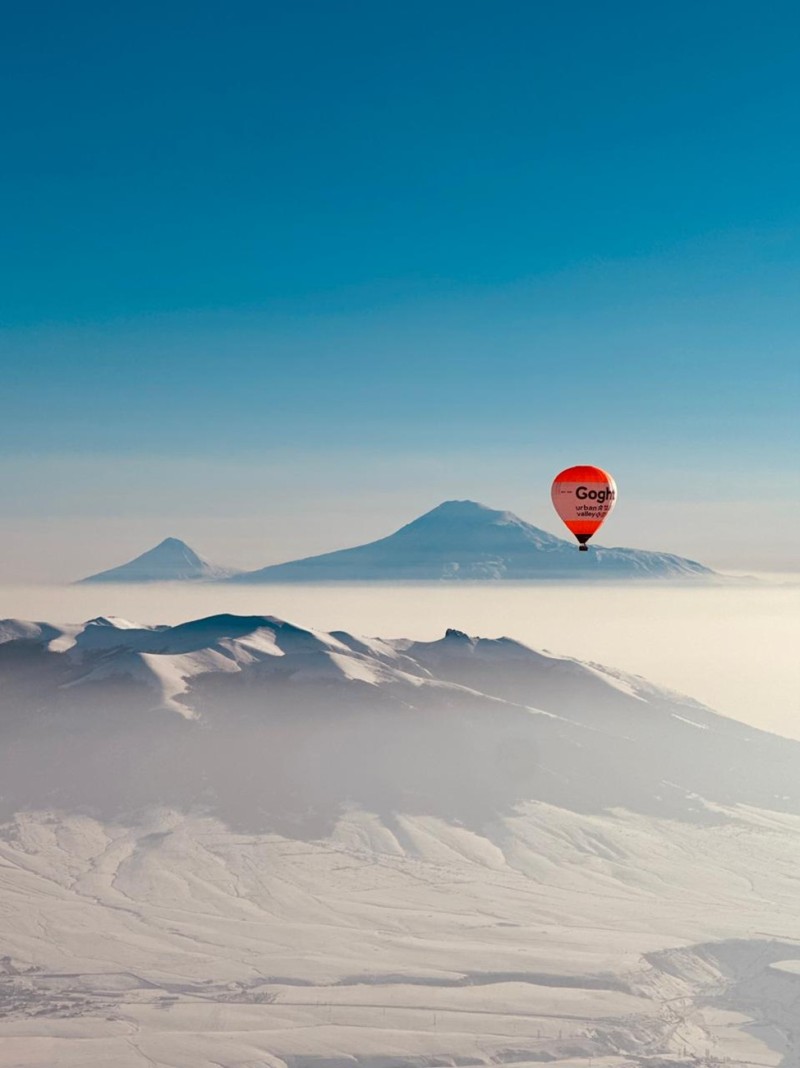
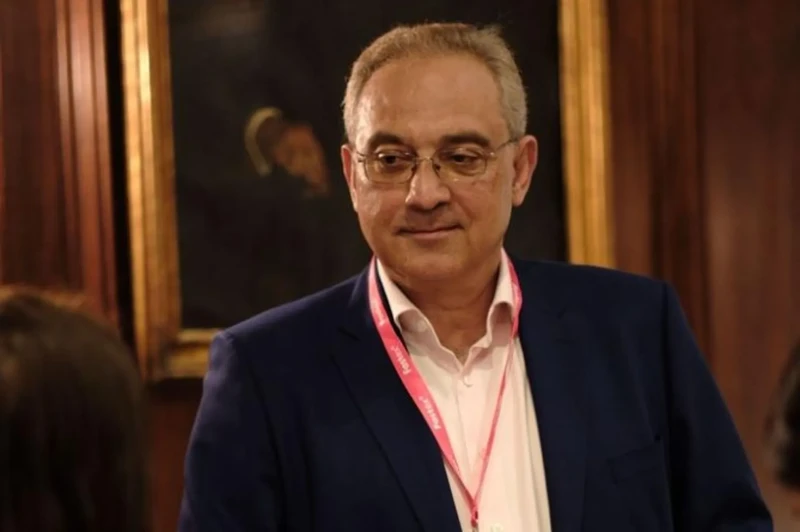
Why living in megacities is becoming hazardous to health and what advantages the ‘village of the future’ Goght has to offer, explained Movses Dzavarian, one of the investors in Goght Urban Valley.
YEREVAN, 21 January. Novosti -Armenia. Why life in megacities is becoming hazardous to health, what advantages the ‘village of the future’ Goght has to offer, and what it can offer people of different ages and professions was discussed in an interview with Capitalist by Movses Dzavarian, one of the investors in Goght Urban Valley.
- Why can the Goght Urban Valley project be called the best solution to environmental problems today?
- There is a growing trend around the world: people are leaving big cities to live a quieter and happier life. Infrastructure is being created to support this: schools, kindergartens, shopping centres, restaurants. In Armenia, this was almost non-existent because we did not have a ‘dacha’ or suburban culture. Most residents of Yerevan prefer to live in the city. On weekends, they enjoy barbecues, go shopping, and sometimes travel outside the city to Tsaghkadzor or Lake Sevan. However, we do not have a culture of constant movement, change of environment, or regular recreation outside the city. Perhaps this is why we are constantly tense as a society.
This culture exists almost everywhere in Europe. If you look at how many cars leave Munich, Berlin or Prague on Friday evening, you will be surprised. People do not use cars in the city — public transport works efficiently. But when they leave the city, they travel in their own cars, and this creates a huge traffic flow.
- Do you think that the main reason for this migration is the environment?
- There are many reasons. The environment is one of them, but not the only one. People basically want to relax and be closer to nature. At the same time, it cannot be said that Munich or Prague, for example, are environmentally disastrous cities. They are in the ‘green zone’ most of the time. But even there, people choose to live in satellite towns. For example, Salzburg is a small city, but many people live outside the centre and commute to work every day.
- So they are prepared to travel long distances every day?
- Yes. For example, the distance from Munich to Garmisch-Partenkirchen is about 100–110 km. That's almost like travelling from Yerevan to Vanadzor or Gyumri. People commute there every day because they have good roads and efficient rail transport. If it takes us 2 hours to travel 100 km, it takes them 45–60 minutes. Infrastructure development directly leads to people being willing to live outside the city.
- How are things here?
- In Yerevan, the situation is already close to an environmental disaster. Therefore, we need to make more active use of our country's advantages. The Armenian highlands themselves have a complex natural environment, but we have a unique opportunity to climb 500–1,000 metres higher and live in fundamentally different climatic conditions. This is a huge resource that we hardly use at all.
- The higher you go, the cleaner the air?
- Yes. Plus, there's the factor of climate change. This year, the weather in Yerevan was comparable to that in Tashkent. Almost all climatologists say that over the past 2-3 years, the environment has deteriorated sharply in cities such as Almaty, Tashkent, Yerevan and Tbilisi. And the reason is not only vehicle exhaust fumes or emissions from industrial facilities. One of the key reasons is climate change, for which large cities were not prepared.
- But Tashkent has a lot of greenery, and that didn't save the situation.
- Yes. After the earthquake, Soviet urban planners rebuilt Tashkent quite competently. But then the systematic approach was destroyed. Chaotic development created a temperature inversion effect - the city stopped ‘breathing’. We are gradually doing the same thing in Yerevan. This means that we should not expect favourable conditions in the metropolis in the future.
- How does this affect health?
- There are global statistics: thanks to environmental measures, mortality in a number of countries has fallen by 23%. Now let's look at Yerevan. Either there are no official statistics, or they are classified. But it is enough to ask doctors: we are among the leaders in oncology and cardiovascular disease.
For comparison: Paris. The mayor of the city boasts not about planting trees in specific locations, but about creating full-fledged green areas. The goal is to keep the city livable.
Unfortunately, over the past 30 years, ecology has not been systematically developed in Armenia. Moreover, during the Soviet era, despite the presence of large factories, transport accounted for 98% of air pollution in Yerevan. At the same time, industrial enterprises were under strict control.
- Let's move on to Goght. How is it fundamentally different?
- This region is unique. While other places are talking about unemployment, we have the opposite problem: a shortage of workers, especially skilled workers, including women. In the future, we will need about 500 more employees, mainly in engineering and technical specialities.
If one or two major manufacturing facilities appear in the area, the employment problem is effectively solved. This has already happened in Goght.
- And yet, the main thing is the concept of housing?
- Yes. We start from a simple idea: people should be able to build their dream home, rather than buying someone else's fantasy. The easiest thing to do is to build standardised ‘boxes’. But we consciously chose the difficult path. People choose the plot, architect and design themselves. The only restriction is the architectural code.
- What is the architectural code?
- This is Armenia's first systematic architectural code. It applies to public spaces, territories and private homes. It is a document of approximately 100 pages, our so-called ‘Constitution’. It regulates all parameters: height, colours, materials, fencing, lighting, interaction with the landscape. We do not alter the terrain; we adapt the architecture to nature. Our goal is not to replicate today's Yerevan, but to preserve the logic of the city as conceived by architect Alexander Tamanyan, the author of Yerevan's first master plan.
- Is the customer completely free to choose?
- Yes, within the limitations of the code. And, importantly, most buyers are happy with these limitations. They understand that it is these limitations that protect the quality of the environment.
- Apart from houses, what else is included in the project?
- We are creating a self-sufficient infrastructure: education - from kindergarten to extracurricular activities; sports and health, fitness and dancing; public spaces - cafes, libraries, co-working spaces; a cultural and tourist section open to everyone; hotel infrastructure; a separate environment for the elderly and people with disabilities.
- And how far is it from Yerevan?
- Today, the journey takes 30–40 minutes. A high-quality road has been built, which has already reduced travel time. And it is important to understand that 30–40 minutes behind the wheel is often a break, not a waste of time, unlike city traffic jams.
- Can we talk about a real extension of life?
- Yes, compared to Yerevan, we can talk about 30 years. We are talking about factors such as clean air, deep sleep, and less stress. All of this directly affects health and quality of life.
- Is it also an investment?
- Yes. Already, the capitalisation of properties is 25-50%. As infrastructure develops, growth will continue. But the main investment is in the environment, health and the future of the family.
Other news
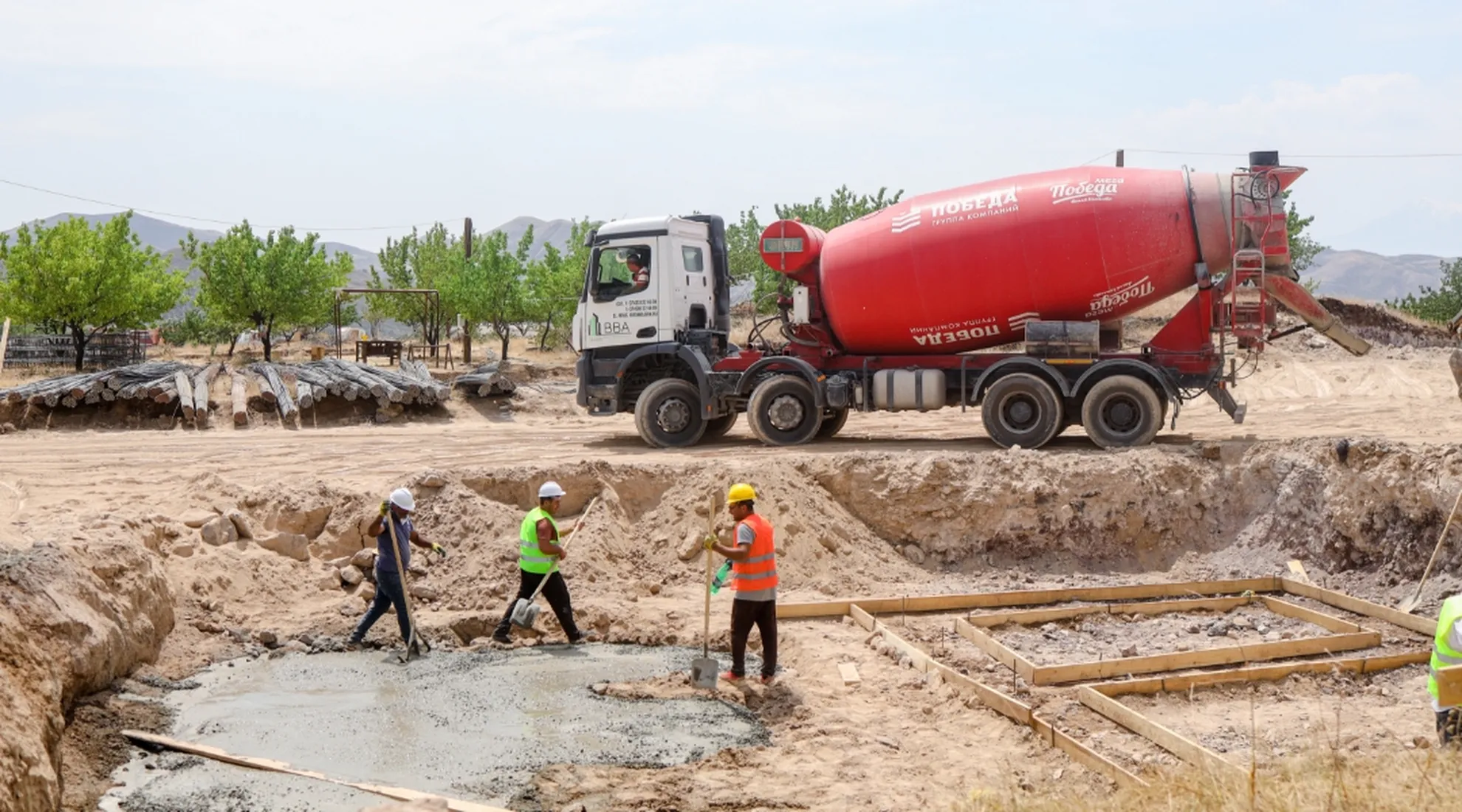
Construction work has started
See more
05.10.2023
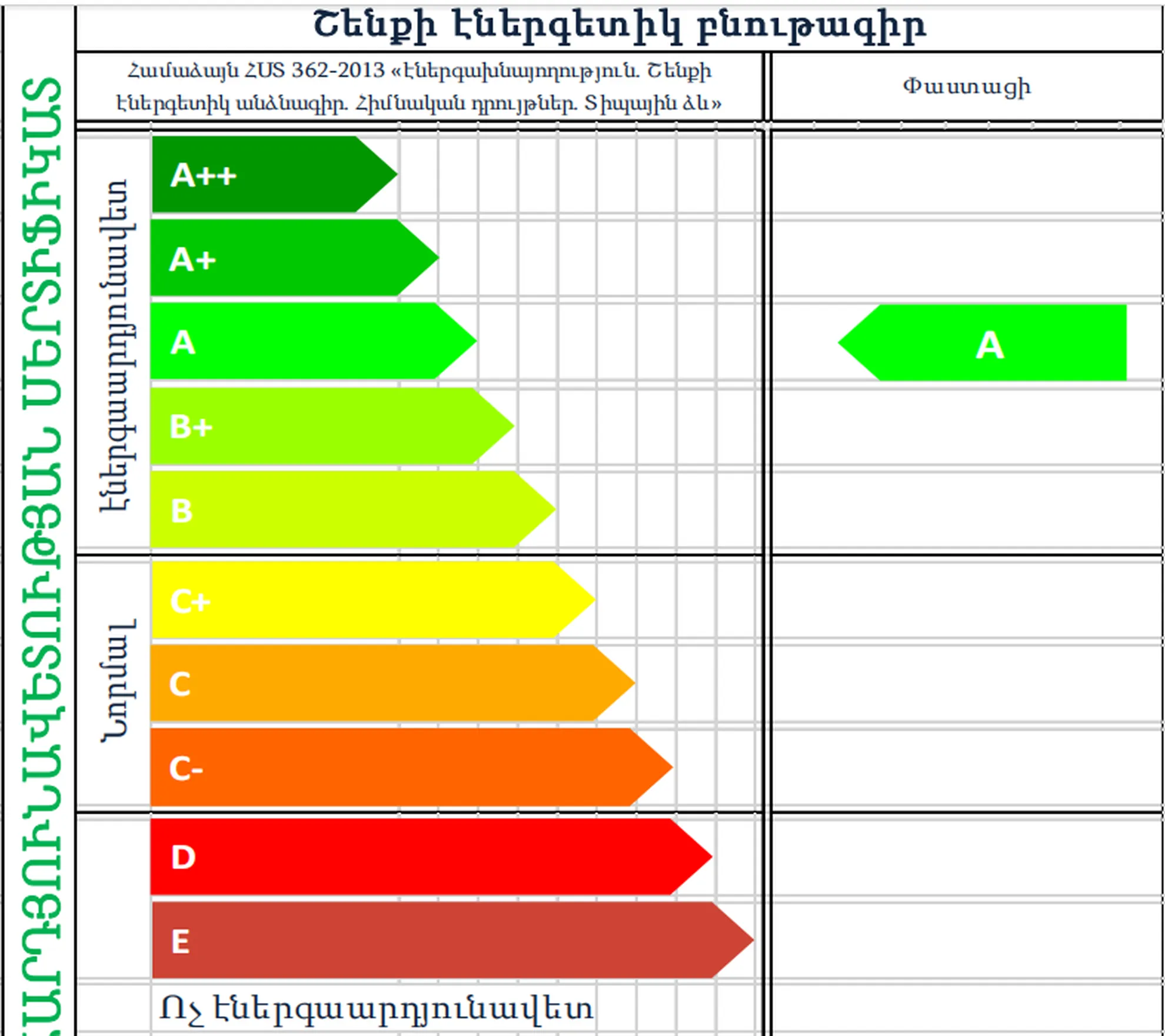
Made with soul:- cottages in Goght Urban Valley are distinguished by high energy efficiency and environmental friendly.
See more
12.03.2024
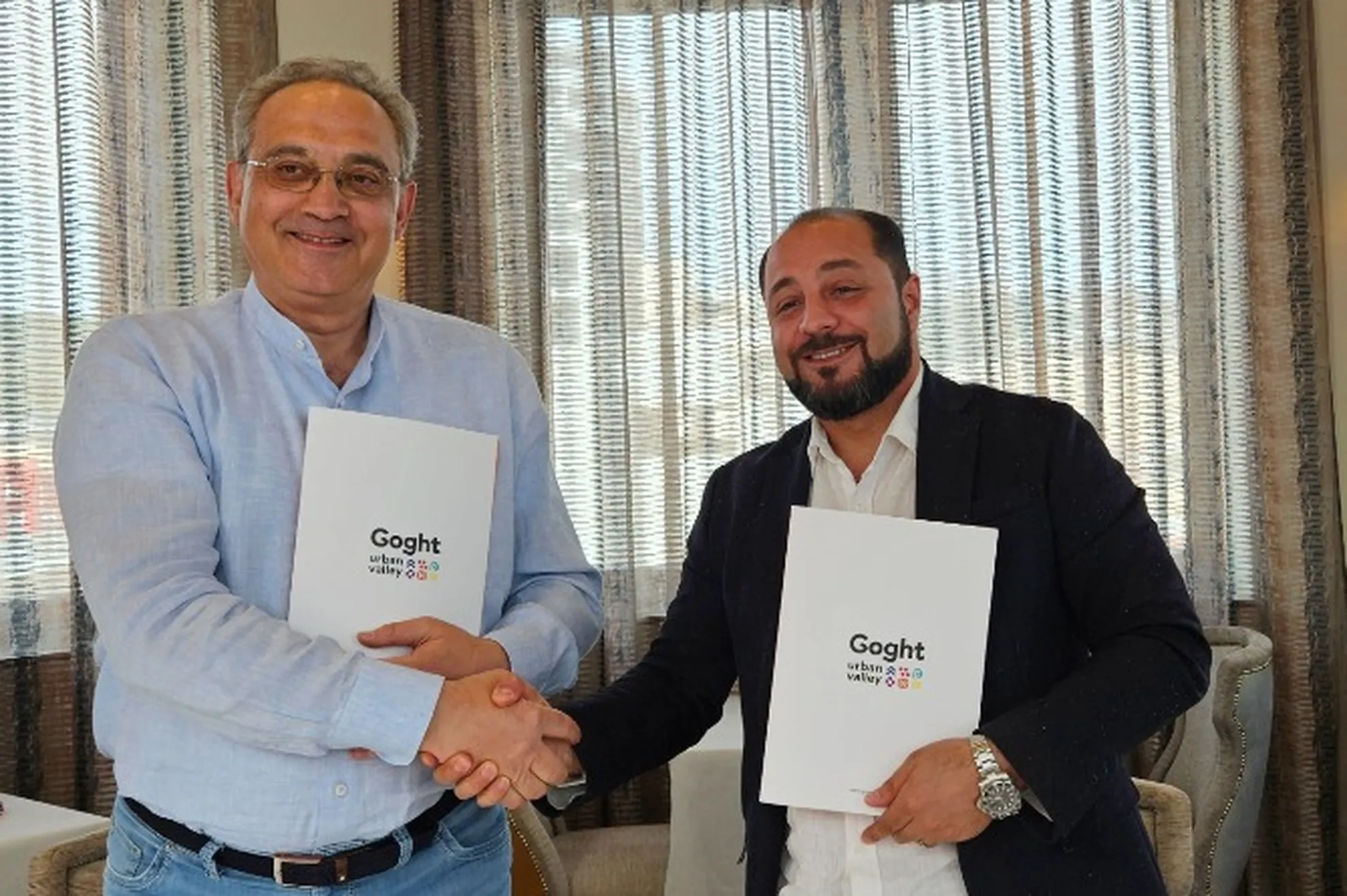
International educational campus overlooking Mount Ararat in Armenia: Goght Urban Valley and Koreez.am unveil a grand project
See more
01.05.2024
Everything you need to know about the essence of lifestyle at Goght Urban Valley.
See more
09.04.2024
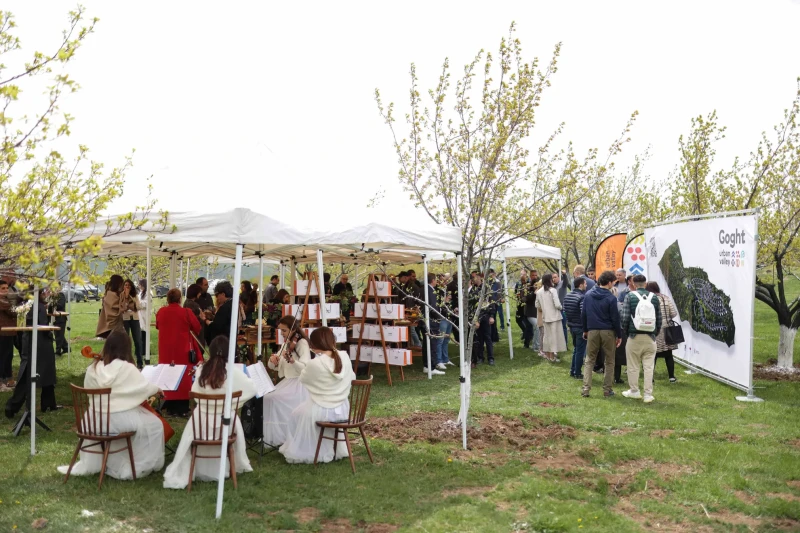
Project Goght Urban Valley has officially started
See more
29.04.2023
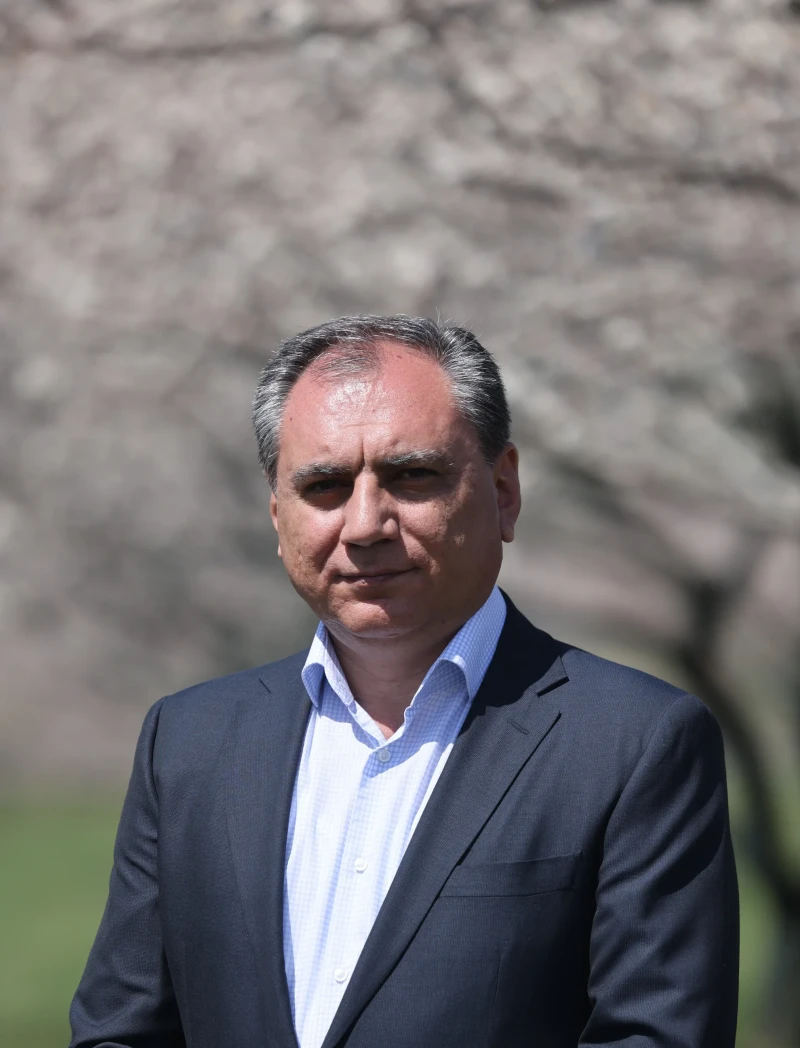
Founder and investor Hrayr Melkonyan answers questions about Goght Urban Valley
See more
01.03.2024

Goght Urban Valley joined Toon Expo 2023
See more
06.09.2023
How to turn a unique corner of wild nature in Armenia into an ultra-modern Goght Urban Valley
See more
09.09.2024